Exfoliation has come a long way since harsh scrubs and microbeads. And lucky for us, because it’s one of the most important steps in a skincare routine, and it’s vital we do it right. Exfoliation is what we need to remove dry, dead skin and to loosen the bonds of nearly dead cells to make them easier to remove.
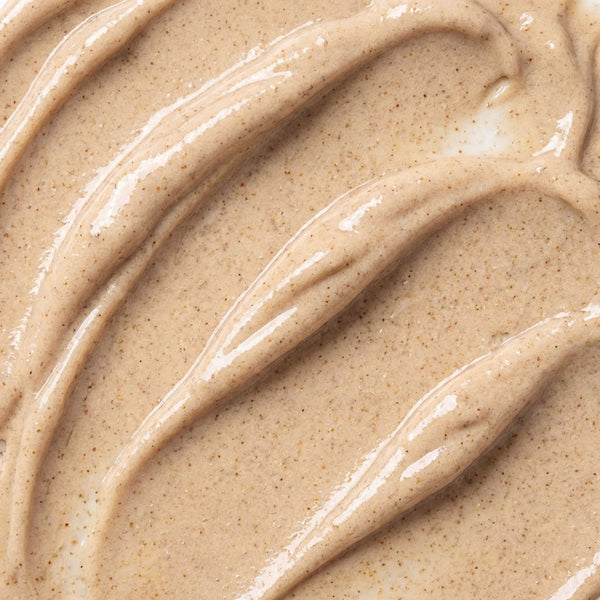
So, we’ve made a product that does both: Vitamin C Microdermabrasion which combines both natural chemical and physical exfoliants for your most polished skin yet.
It used to be that exfoliation was a once-a-week part of the routine, but as physical exfoliators have gotten gentler and more effective, and chemical ones have become more advanced, our skin has thanked us for doing it more often.
Why do we exfoliate?
Did you know we lose about 500 million skin cells a day? It stands to reason, then, that the longer we leave it between scrubs, the more flaky (and less fresh) our skin will look. For our younger skin cells to shine through, we need to buff away the old ones. Physically exfoliating is the best way to do this.
Chemical exfoliants come in two main groups. Some are best for brightening skin tone and breaking down excess oil which can cause acne, and others are useful to break down already loose bonds between skin cells to speed the skin-regeneration process up. All skin is different so what works for you mightn’t work for the next person, but there will be a treatment that’s best suited to your skin profile.
What does a chemical exfoliator do?
Chemical exfoliants fall into two main categories: AHAs and BHAs.
AHAs
Standing for Alpha Hydroxy Acid, AHAs are water soluble so they won’t have much impact on your skin’s oil levels or production, but what they do do is help to break down the surface level skin cells, targeting dullness, clogging and leaving skin smooth after using it. Some examples of AHAs are glycolic and lactic acid.
BHAs
Beta Hydroxy Acids – BHAs – are oil-soluble and break down excess oil on the skin and just under the skin’s surface. Salicylic acid is one example of a BHA and is particularly beneficial for those with acne-prone skin because it can penetrate oil stored in pores.
What does a physical exfoliator do?
Physical exfoliators, like scrub or wash cloths, focus only on the surface of the skin. They physically slough away dead skin cells to make skin smoother and more even in texture, and help reduce the appearance of pores. Historically, things like walnut shells were used (which can cause microtears in the skin) or microbeads which wreak havoc on the environment because they’re plastic and would pollute waterways. Sugar, pumice, and finely milled powders are a much better option for both skin and planet.
Dual action - How Trilogy's Vitamin C Microdermabrasion embraces both