Natural Face Oils

Skip to results list
Category
Skin Concern
Key Ingredient
Range
Price
to
The highest price is $59.35
Clear
Availability
7 items
Column grid
Column grid

Filter

Category
Skin Concern
Key Ingredient
Range
Price
to
The highest price is $59.35
Availability
  • Certified Organic Rosehip Oil

    Certified Organic Rosehip Oil

    Certified Organic Rosehip Oil

    Trilogy Icon

    Sale price  $37.08 Regular price  $49.45
  • Rosehip Oil Antioxidant+

    Rosehip Oil Antioxidant+

    Rosehip Oil Antioxidant+

    Defence Oil

    $41.75
  • Instant Glow Rosehip Oil

    Instant Glow Rosehip Oil

    Instant Glow Rosehip Oil

    Illumination

    $41.75
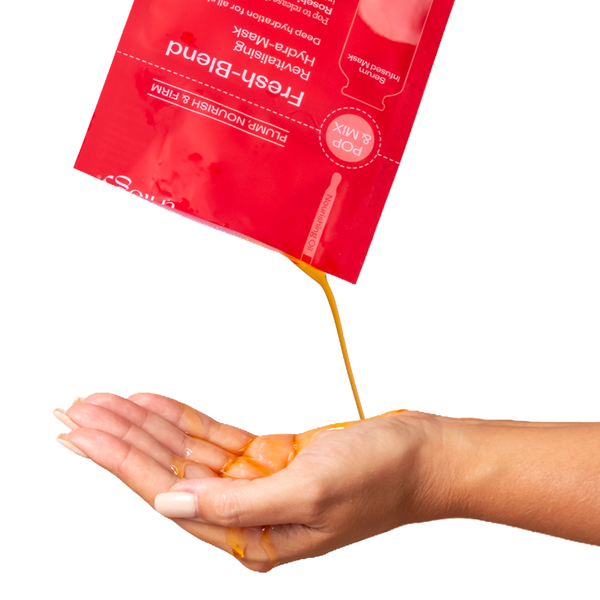
  • Fresh-Blend Revitalising Hydra-Mask

    Fresh-Blend Revitalising Hydra-Mask

    Fresh-Blend Revitalising Hydra-Mask

    Hydration Pamper

    $9.95
  • CoQ10 Booster Oil

    CoQ10 Booster Oil

    CoQ10 Booster Oil

    Powerful Defence

    $48.55
  • Pure Plant Body Oil

    Pure Plant Body Oil

    Pure Plant Body Oil

    Body Nourish

    Sale price  $21.14 Regular price  $30.20
  • Rosapene™ Bakuchiol Oil

    Rosapene™ Bakuchiol Oil

    Rosapene™ Bakuchiol Oil

    Retinol Alternative Oil

    $59.35
It all started with our golden oil, Certified Organic Rosehip Oil, an antioxidant-rich powerhouse. Now we've developed a full range of skincare with skin-loving oils, including facial and body oils for ultimate hydration and skin barrier repair.

Frequently asked questions

What are facial oils used for?

Facial oils help lock in moisture, strengthen the skin barrier, and provide nutrients like essential fatty acids and antioxidants. They can also enhance the performance of other products by sealing them in, leaving skin soft, smooth, and radiant.

Can oily skin use facial oils?

It’s a common misconception that oily skin types should avoid oils altogether, but the right oils can actually help. Lightweight, non-comedogenic options like squalane or rosehip oil won’t clog pores and can help balance your skin’s natural oil production. Our oils can provide hydration without heaviness, helping regulate oiliness over time and supporting a healthier, more resilient complexion.

What’s the best way to apply facial oil?

Apply facial oil after cleansing and any water-based serums, but before your moisturiser. Use 2–4 drops warmed between your palms, then gently press into the skin to boost hydration and prep the skin for your moisturiser. Avoid rubbing, as this can cause irritation, pressing helps the oil absorb more effectively.

Should facial oils replace moisturisers?

Not necessarily – oils seal in hydration but don’t replace moisturisers. Most skin types benefit from using both: moisturiser to hydrate and oil to lock in that moisture, ensuring long-lasting softness and barrier protection.

What oils are best for dry skin?

Rosehip oil is a standout choice for dry skin. Naturally rich in essential fatty acids, antioxidants, and vitamins A and C, it helps replenish lost moisture, improve elasticity, and support skin regeneration. Unlike heavier oils, rosehip absorbs easily without leaving a greasy residue, making it ideal for daily use. It strengthens the skin barrier, reduces roughness, and promotes a smoother, more radiant complexion over time.

Are facial oils good for sensitive skin?

Yes, soothing oils like camellia, rosehip, and oat can calm redness and irritation. Look for pure, cold-pressed oils without added fragrance or essential oils, as these reduce the risk of triggering sensitivity or allergic reactions.

Can I use facial oil under makeup?

Yes, lightweight oils like jojoba or squalane can create a smooth base for makeup, giving a natural glow. Allow the oil to absorb for a few minutes before applying foundation to avoid pilling or excess shine.

Do facial oils clog pores?

Not all oils clog pores, this is a common misconception. In fact, many facial oils used by Trilogy, such as rosehip, camellia, and squalane, are non-comedogenic and lightweight, meaning they won’t block pores or trigger breakouts. These oils can actually help balance sebum production and strengthen the skin barrier, especially when chosen to suit your skin type. Heavier oils like coconut may not be ideal for acne-prone skin, so selecting the right oil is key to maintaining clear, healthy skin.

How long does it take to see results from facial oils?

Some people notice softer, smoother skin immediately, while longer-term benefits like improved barrier strength and reduced dryness may take 2–4 weeks. Consistent use alongside other skincare products yields the best results.

Should I use facial oil daily?

Most skin types benefit from daily use, especially at night. If your skin is very oily or acne-prone, start with 2–3 times a week and adjust as needed. Monitor how your skin responds to find the ideal frequency for you.